

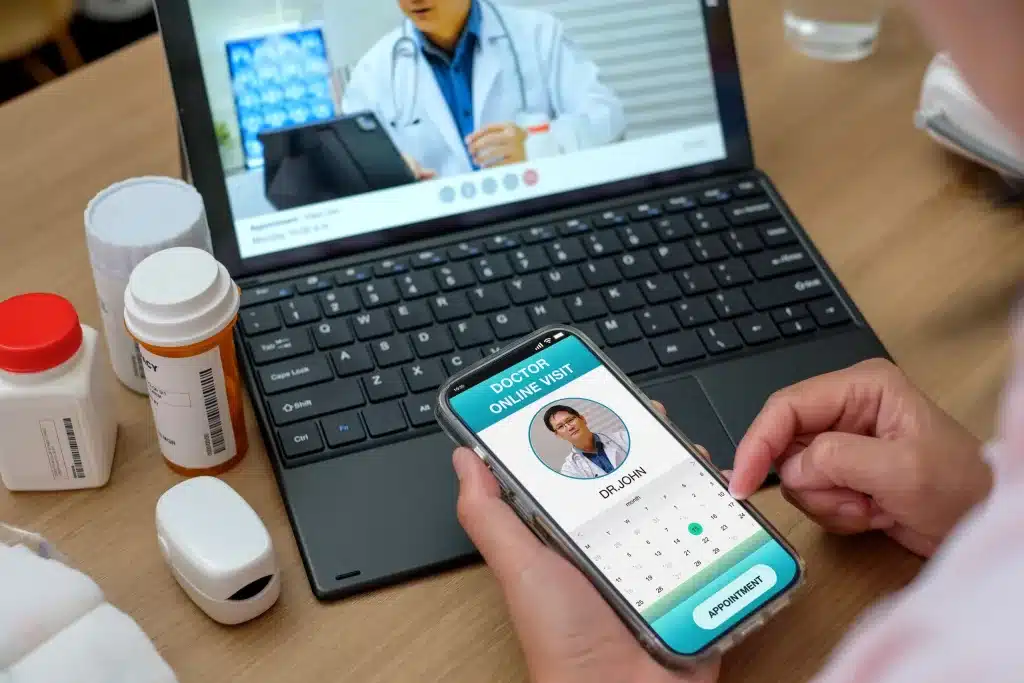
In today’s healthcare environment, patient experience extends far beyond the exam room. Every interaction a patient has with a medical practice, from scheduling appointments to receiving follow-up instructions, shapes their perception of care. While clinical expertise remains essential, communication has become one of the most important factors influencing patient satisfaction, online reviews, and long-term loyalty.
Patients expect quick responses, convenient communication channels, and timely updates regarding their healthcare needs. When communication is slow or inconsistent, frustration grows. Missed calls, delayed callbacks, and unanswered questions can negatively impact the patient experience, even when the quality of care is excellent.
As healthcare organizations look for ways to strengthen patient relationships and improve their reputation, many are investing in modern patient communication tools that streamline interactions and improve responsiveness. Solutions like DocToc’s digital answering service help practices communicate faster, manage after-hours calls more effectively, and deliver the kind of patient experience that drives positive reviews and long-term retention.
Why Communication Matters More Than Ever
Patients today have more healthcare options than ever before. They can easily compare providers online, read reviews, and switch practices if they feel their needs are not being met.
Even minor communication breakdowns can leave patients feeling ignored or undervalued. One of the most common complaints patients share in reviews is poor communication. This may include:
- Difficulty reaching the office
- Long hold times
- Delayed responses to messages
- Missed callbacks
- Lack of follow-up communication
- Confusion about next steps in care
Practices that communicate clearly and respond quickly often earn higher satisfaction ratings. Patients appreciate knowing that their concerns are being heard and addressed promptly. For healthcare organizations seeking to improve patient satisfaction, communication should be a top priority.
The Link Between Communication and Online Reviews
Online healthcare review trends consistently show that patient experience influences online ratings just as much as clinical outcomes. When patients leave reviews on platforms such as Google, Healthgrades, or social media, they frequently mention factors like:
- Ease of communication
- Response times
- Accessibility of providers
- Staff helpfulness
- Follow-up processes
A patient who receives timely communication is more likely to describe their experience positively. Conversely, patients who struggle to reach someone after hours or wait days for a callback may share their frustrations publicly.
The reality is that communication often becomes the most visible part of a patient’s experience. Patients may not fully understand the technical aspects of their medical treatment, but they immediately recognize whether communication was efficient and responsive.
Faster Responses Create Better Experiences
Healthcare is often stressful for patients. Whether someone is waiting for test results, managing symptoms, or seeking reassurance after a procedure, uncertainty can create anxiety.
Fast communication helps reduce that anxiety. When patients know their message has been received and routed appropriately, they feel more confident in their healthcare provider.
DocToc was designed to improve communication efficiency by ensuring after-hours calls are captured, categorized, and delivered to the appropriate provider. Instead of relying on outdated processes, practices can leverage intelligent call routing, message transcription, and automated workflows to ensure important communications are handled quickly and accurately, resulting in a smoother experience for both patients and providers.
How Patient Communication Tools Improve Satisfaction
1. Patients Feel Heard
One of the biggest drivers of patient satisfaction is simply feeling acknowledged. When patients reach out with a concern, they want confidence that their message will not disappear into a voicemail inbox. Patients who feel heard are more likely to trust their providers and continue seeking care from the practice.
Modern patient communication tools help ensure every interaction is documented, tracked, and visible to the appropriate team members. DocToc’s platform provides a complete audit trail and message-tracking capabilities, helping practices maintain accountability and visibility into every communication.
2. Reduced Wait Times Build Trust
Waiting is one of the most common sources of patient frustration. Patients dislike waiting on hold, waiting for callbacks, and waiting for answers.
By streamlining communication workflows, practices can significantly reduce response times. Faster communication demonstrates respect for the patient’s time and creates a more positive overall experience. When providers can quickly review messages, prioritize urgent concerns, and respond efficiently, patients notice the difference.
3. Better After Hours Communication Improves Confidence
Many patient concerns occur outside of normal business hours. A patient who develops symptoms in the evening or has questions following a procedure wants reassurance that their concerns can be addressed promptly. DocToc’s digital answering service provides 24/7 coverage, ensuring after-hours communications are captured and routed according to provider schedules and urgency levels.
Calls are automatically categorized by priority, ensuring urgent concerns receive immediate attention while routine matters can be addressed appropriately. This level of responsiveness helps patients feel supported even when the office is closed.
Why Faster Communication Improves Patient Retention
Acquiring a new patient is often far more expensive than retaining an existing one. For this reason, patient retention should be a key performance metric for every healthcare practice. Communication plays a major role in whether patients remain loyal.
Patients are more likely to stay with providers who:
- Respond promptly
- Communicate clearly
- Make it easy to ask questions
- Provide consistent follow-up
- Offer convenient communication options
When communication is difficult, patients may begin exploring alternative providers. By improving communication processes, practices can strengthen relationships and increase long-term patient loyalty.
Technology Helps Eliminate Communication Gaps
Many communication issues arise when information gets lost among staff members, providers, and patients. Traditional voicemail systems can contribute to these problems. Messages may be difficult to hear, incomplete, or delayed.
DocToc addresses these challenges through automated voicemail transcription, allowing providers to read messages rather than listen to recordings. DocToc-transcribed messages can be reviewed up to 10 times faster than traditional voicemail listening.
Faster message review allows providers to respond more efficiently, reducing delays and improving patient experiences. The platform also includes status tracking features that allow teams to monitor which communications have been addressed and which still require follow-up.
This visibility helps reduce the likelihood of missed messages and communication breakdowns.
Protecting Patient Privacy While Improving Communication
Speed is important, but healthcare organizations must also maintain compliance and security. Patients want convenient communication, but they also expect their personal information to remain protected. When patients trust both the quality and the security of communication, satisfaction tends to increase.
DocToc was built with HIPAA compliance at its core, incorporating end-to-end encryption, role-based access controls, multi-factor authentication, and comprehensive audit logging. This combination of security and convenience allows practices to improve responsiveness without compromising patient privacy.
Communication as a Competitive Advantage
In an increasingly competitive healthcare landscape, communication can become a powerful differentiator. Many practices offer similar services, but not all deliver the same level of responsiveness.
Organizations that prioritize communication often experience:
- Higher patient satisfaction scores
- Better online reviews
- Increased patient loyalty
- Stronger provider-patient relationships
- Improved operational efficiency
These benefits create a positive cycle. Satisfied patients leave favorable reviews, which attract new patients. Better communication improves retention, which strengthens long-term growth.
Take Patient Communication to the Next Level with DocToc
Patient expectations continue to evolve, and communication is at the center of modern healthcare experiences. Practices that respond quickly, communicate clearly, and provide reliable after-hours support are more likely to earn positive reviews and retain patients over time.
DocToc’s digital answering service helps healthcare organizations modernize communication through intelligent call routing, voicemail transcription, secure messaging, and automated scheduling. By ensuring every patient interaction is handled efficiently and appropriately, practices can improve patient satisfaction, strengthen their online reputation, and build lasting patient relationships.
In a world where every patient experience matters, faster communication may be one of the most valuable investments a healthcare practice can make. Contact us today to schedule a demo.