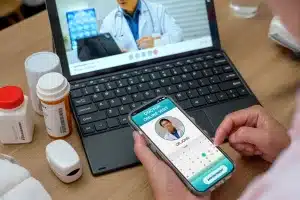


In today’s fast-paced healthcare environment, communication is everything. Patients expect quick responses, providers need efficient ways to coordinate care, and administrative teams are constantly juggling appointments, referrals, and follow-up tasks.
While texting has become one of the most convenient forms of communication in everyday life, medical practices face a unique challenge: ensuring patient information remains secure and compliant with federal regulations. That’s where HIPAA-compliant texting comes in.
Secure texting solutions allow healthcare organizations to communicate quickly and effectively without compromising patient privacy. For medical practices of all sizes, implementing a HIPAA-compliant texting platform is no longer just a convenience—it’s an essential tool for improving operations, enhancing patient satisfaction, and maintaining regulatory compliance.
Understanding HIPAA and Text Messaging
The Health Insurance Portability and Accountability Act (HIPAA) establishes national standards for protecting sensitive patient health information. Any communication that contains Protected Health Information (PHI) must be handled to safeguard confidentiality and prevent unauthorized access.
Traditional SMS text messaging is not designed to meet HIPAA requirements. Standard texts can be intercepted, stored on unsecured devices, or accessed by unauthorized individuals. As a result, healthcare providers who use regular texting to discuss patient information may be putting their organizations at risk of compliance violations, fines, and reputational damage.
HIPAA-compliant texting platforms are specifically designed to address these concerns through features such as:
- End-to-end encryption
- Secure user authentication
- Access controls
- Audit trails
- Message retention policies
- Remote device management
These safeguards allow medical professionals to communicate efficiently while maintaining compliance with privacy regulations.
Improving Communication Across the Practice
One of the biggest advantages of secure texting is the ability to streamline communication between healthcare team members. Medical offices often rely on phone calls, voicemail messages, emails, and paper notes to relay information. These methods can create delays, miscommunication, and workflow bottlenecks.
HIPAA-compliant texting allows physicians, nurses, administrative staff, and other healthcare professionals to communicate in real time. Whether it’s discussing patient updates, coordinating referrals, confirming treatment plans, or addressing urgent issues, secure messaging helps ensure that critical information reaches the right people quickly.
When healthcare teams can communicate efficiently, they can spend more time focusing on patient care rather than tracking down information. Faster communication often leads to:
- Reduced response times
- Improved care coordination
- Fewer communication errors
- Increased staff productivity
- Better patient outcomes
Enhancing Patient Engagement
Patients increasingly prefer digital communication options. Many individuals find texting more convenient than phone calls and are more likely to respond promptly to text messages.
HIPAA-compliant texting allows medical practices to engage patients in a secure and user-friendly manner. Practices can use secure messaging for:
- Appointment reminders
- Scheduling updates
- Follow-up instructions
- Prescription notifications
- Care plan reminders
- Patient education materials
These communications help keep patients informed and involved in their healthcare journey. In addition, secure texting can reduce no-show rates by providing timely appointment reminders and allowing patients to confirm or reschedule appointments. Improved communication can lead to stronger patient relationships and higher satisfaction levels.
Increasing Operational Efficiency
Administrative inefficiencies can be costly for healthcare organizations. Staff members often spend significant time making phone calls, leaving messages, and waiting for responses. HIPAA-compliant texting helps automate and simplify many routine communication tasks.
For example, automated appointment reminders can reduce the number of manual calls staff must make each day. Secure messaging platforms can also facilitate faster patient intake processes, streamline follow-up communications, and improve internal coordination.
As a result, medical practices can experience:
- Reduced administrative workload
- Improved scheduling efficiency
- Faster patient response time
- Better resource allocation
- Increased staff satisfaction
Supporting Better Patient Care
Timely communication plays a critical role in delivering quality healthcare. Delays in sharing information can impact treatment plans, follow-up care, and patient outcomes. HIPAA-compliant texting enables healthcare providers to exchange information quickly and securely, helping ensure patients receive the care they need without unnecessary delays.
For example, a physician may need to communicate test results, coordinate care with a specialist, or provide post-treatment instructions. Secure messaging helps facilitate these interactions while maintaining compliance with privacy standards.
Patients who receive timely updates and clear communication often feel more confident in their care experience. They are also more likely to follow treatment recommendations and remain engaged with their healthcare providers.
Reducing Compliance Risks
Compliance violations can have serious consequences for healthcare organizations. HIPAA penalties can include substantial fines, legal expenses, corrective action requirements, and damage to a practice’s reputation. Unfortunately, many healthcare providers continue to rely on communication methods that expose them to unnecessary risk.
HIPAA-compliant texting platforms help reduce these risks by incorporating security measures specifically designed for healthcare environments. Features such as encryption, access controls, audit logs, and secure message storage provide valuable protection for both patients and providers.
In addition, secure messaging systems create documented communication records that can support compliance audits and internal reviews. By implementing a compliant communication solution, medical practices demonstrate their commitment to protecting patient information and maintaining regulatory standards.
Meeting Modern Patient Expectations
Healthcare consumers increasingly expect the same level of convenience they experience in other industries. Patients are accustomed to receiving updates, notifications, and support through digital channels. Practices that fail to offer modern communication options may struggle to meet patient expectations.
HIPAA-compliant texting provides a secure way to deliver the convenience patients want while protecting sensitive information. Patients appreciate being able to receive reminders, ask questions, and stay informed without lengthy phone calls or waiting on hold.
Offering secure communication options can help practices:
- Improve patient satisfaction
- Strengthen patient loyalty
- Enhance the overall patient experience
- Differentiate themselves from competitors
As healthcare continues to evolve, practices that embrace secure digital communication will be better positioned to meet the needs of today’s patients.
Integrating Secure Texting Into Existing Workflows
One concern many healthcare organizations have is whether implementing a secure texting platform will disrupt existing workflows. Fortunately, modern solutions are designed to integrate seamlessly with practice operations.
The right platform can complement existing scheduling systems, patient engagement tools, and communication processes. Staff can quickly adopt secure messaging without extensive training, allowing practices to begin realizing benefits almost immediately.
Selecting a trusted healthcare communication partner can make implementation smoother and maximize long-term value. When evaluating a HIPAA-compliant texting solution, healthcare organizations should look for features such as:
- User-friendly interfaces
- Secure encryption
- Mobile accessibility
- Automated messaging capabilities
- Audit reporting
- Integration options
- Scalability for future growth
The Future of Healthcare Communication
As healthcare becomes increasingly digital, secure communication will continue to play a vital role in patient care and practice management. HIPAA-compliant texting offers a powerful combination of convenience, efficiency, security, and compliance.
Medical practices that embrace secure messaging can improve internal communication, enhance patient engagement, reduce administrative burdens, and strengthen compliance efforts, all while delivering a better overall healthcare experience. Organizations that continue to rely solely on traditional communication methods may find it increasingly difficult to keep pace with patient expectations and operational demands.
Strengthen Compliance and Improve Patient Care With DocToc
HIPAA-compliant texting is more than a communication tool; it’s a strategic investment in the future of healthcare delivery. By enabling secure, efficient communication between providers, staff, and patients, medical practices can improve workflows, enhance patient satisfaction, and maintain compliance with privacy regulations.
Solutions like those offered by DocToc help healthcare organizations modernize their communication processes while protecting patient information. As the healthcare landscape continues to evolve, secure texting is becoming an essential component of efficient, patient-centered care.
For medical practices seeking to improve communication, boost efficiency, and strengthen compliance, HIPAA-compliant texting is no longer optional; it’s essential. Contact us today to schedule a personalized demo.