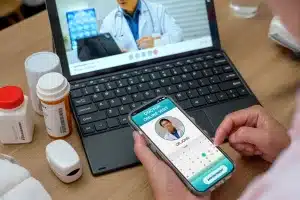


Healthcare communication has changed dramatically over the last decade. Patients expect quick responses, providers need immediate access to critical information, and medical practices are under increasing pressure to improve efficiency while maintaining strict privacy standards.
Traditional communication methods such as phone tag, unsecured text messages, and voicemail systems often create delays, frustration, and compliance risks. HIPAA-compliant texting has emerged as a solution that allows medical practices to communicate quickly and securely while protecting patient information.
Whether communicating with patients, coordinating after-hours care, or managing urgent clinical situations, secure texting helps healthcare organizations streamline workflows, improve patient satisfaction, and remain compliant with federal regulations.
The Growing Demand for Faster Healthcare Communication
Today’s patients expect healthcare providers to communicate at the same speed and with the same convenience they experience in other areas of their lives. Waiting hours, or even days, for a callback can negatively impact the patient experience and lead to missed appointments, treatment delays, and unnecessary anxiety.
At the same time, healthcare professionals are managing increasing patient volumes, complex care coordination, and growing administrative responsibilities. Providers need communication tools that help them respond quickly without creating additional work.
Text messaging offers a fast and convenient communication channel, but standard texting applications were never designed to handle protected health information (PHI). Sending patient information through personal devices or unsecured messaging platforms can expose practices to significant privacy and compliance risks. This is why HIPAA-compliant texting has become an essential component of modern healthcare communication.
What Makes a Texting Platform HIPAA-Compliant
The Health Insurance Portability and Accountability Act (HIPAA) establishes strict requirements for protecting patient information. To comply with HIPAA regulations, healthcare communication platforms must include safeguards that prevent unauthorized access to PHI.
A HIPAA-compliant texting solution typically includes:
- End-to-end encryption
- Secure message storage
- Access controls and role-based permissions
- Multi-factor authentication
- Audit trails and activity logs
- Secure handling of patient information
- Business Associate Agreements (BAAs)
These features ensure that patient information remains protected whether providers are communicating during office hours or responding to after-hours concerns.
Improving Communication Across the Practice
One of the biggest benefits of HIPAA-compliant texting is the ability to improve communication between patients, providers, and staff. Traditional communication methods often involve multiple steps.
A patient leaves a voicemail; a staff member retrieves the message; the provider reviews it later; and then someone attempts a callback. This process can lead to delays, missed messages, and unnecessary frustration.
Secure texting simplifies communication by allowing information to be delivered instantly to the appropriate individual. Providers can review messages quickly, respond faster, and keep communication moving without relying on lengthy phone conversations.
For medical practices with on-call responsibilities, secure texting can be especially valuable. Instead of waiting for messages to be manually relayed, providers receive immediate notifications and can determine the urgency of a situation more efficiently.
Supporting Better After Hours Care
After-hours communication presents unique challenges for medical practices. Providers need to be reachable for urgent situations, but they also need systems that prevent routine issues from disrupting patient care and personal time.
Digital on-call communication platforms that include HIPAA-compliant texting help practices manage after-hours communication more effectively by:
- Routing messages to the correct on-call provider
- Prioritizing urgent and routine communications
- Delivering secure message notifications instantly
- Maintaining a complete communication record
- Ensuring no critical information is lost during handoffs
Rather than relying on traditional answering services that require operators to relay messages, modern digital systems can securely capture, categorize, and deliver communications directly to the appropriate provider. This reduces delays and improves response times when patient care is on the line.
Enhancing the Patient Experience
Patient satisfaction is increasingly tied to communication. Patients want reassurance that their concerns have been received and addressed promptly.
HIPAA-compliant texting allows practices to provide a more convenient and responsive experience. Patients can receive timely updates, appointment reminders, follow-up instructions, and responses to non-emergency questions through a secure communication channel.
By improving responsiveness and convenience, medical practices can strengthen patient relationships while reducing communication bottlenecks. When patients receive faster responses, they often feel more connected to their healthcare providers and more confident in their care.
Secure texting can also reduce common frustrations such as:
- Waiting on hold
- Leaving multiple voicemails
- Playing phone tag with office staff
- Delayed responses to questions
- Uncertainty about whether a message was received
Increasing Operational Efficiency
Every minute spent tracking down information or returning missed calls is time that could be spent caring for patients. HIPAA-compliant texting helps eliminate many of the inefficiencies associated with traditional communication methods. Providers can quickly review messages, prioritize urgent matters, and respond from a secure platform without interrupting their workflow.
Many secure communication systems also include features such as message tracking, status updates, scheduling integration, and audit logs. These capabilities create greater visibility across the practice and help teams stay aligned.
As a result, practices often experience:
- Faster response times
- Fewer missed messages
- Reduced administrative workload
- Better care coordination
- Improved staff productivity
When communication becomes more efficient, both providers and patients benefit.
Protecting Provider Privacy
Another advantage of secure texting platforms is the ability to protect provider contact information. Many healthcare professionals have historically relied on personal cell phones to manage after-hours communication. This can expose patients’ personal phone numbers and raise privacy concerns for providers.
HIPAA-compliant communication platforms enable messages and callbacks via secure systems, displaying the practice’s phone number rather than a provider’s personal number. This helps maintain professional boundaries while ensuring patients can still reach the care team when necessary.
Reducing Compliance Risks
In an era of increasing cybersecurity threats and regulatory scrutiny, secure communication is no longer optional; it is a necessity. Healthcare organizations face significant penalties for HIPAA violations.
Even an accidental disclosure of protected health information through an unsecured text message can result in regulatory consequences, financial penalties, and reputational damage. Implementing a HIPAA-compliant texting solution helps reduce these risks by providing built-in security controls and documentation.
Features such as encrypted messaging, access controls, audit trails, and authentication requirements help demonstrate compliance efforts while creating a more secure communication environment.
The Future of Healthcare Communication
As healthcare continues to evolve, communication technology will play an increasingly important role in patient care and practice operations. Medical practices that continue relying on outdated communication methods may struggle to meet patient expectations and maintain efficient workflows.
HIPAA-compliant texting provides a practical solution that supports faster communication, stronger patient relationships, improved operational efficiency, and regulatory compliance. By adopting secure communication tools, medical practices can deliver a better experience for both patients and providers while protecting the sensitive information entrusted to their care.
Stay Connected, Secure, and Responsive with DocToc
As patient expectations continue to rise and healthcare workflows become more complex, secure and efficient communication is no longer a luxury—it’s a necessity. HIPAA-compliant texting empowers medical practices to communicate faster, improve care coordination, protect sensitive patient information, and deliver a better overall patient experience.
DocToc helps healthcare organizations modernize communication with secure, HIPAA-compliant messaging tools designed specifically for the healthcare industry. By combining secure texting, intelligent communication workflows, and digital on-call management into a single platform, we help practices reduce communication delays, improve provider responsiveness, and maintain compliance without sacrificing efficiency.
Contact us today for a personalized demonstration and discover how DocToc can transform healthcare communication for your practice.