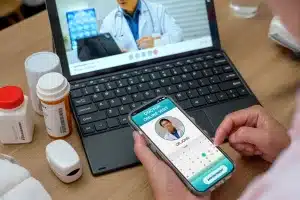


Healthcare providers today face increasing demands, from delivering high-quality patient care to managing administrative responsibilities and maintaining compliance. As workloads grow, many practices are turning to virtual medical assistants (VMAs) as a practical and cost-effective solution.
These remote professionals are trained to handle a wide range of administrative and clinical support tasks, allowing providers to focus more on patient care and less on paperwork. If you’re considering adding a virtual medical assistant to your team, here are several impactful ways they can support your practice and improve overall efficiency.
1. Appointment Scheduling and Calendar Management
One of the most time-consuming tasks in any medical practice is managing appointments. A virtual medical assistant can take over scheduling duties, ensuring that your calendar runs smoothly and efficiently.
They can book, reschedule, and cancel appointments while minimizing gaps in your schedule. VMAs can also send appointment reminders via phone, text, or email, reducing no-shows and improving patient attendance rates. With a well-managed calendar, your practice can maximize productivity and maintain a steady workflow.
2. Virtual Scribes
One of the most common and impactful ways virtual medical assistants support healthcare providers is by serving as virtual scribes. In this role, the VMA joins the patient visit via a secure video call and works in real time alongside the provider to document the encounter.
As the physician focuses on patient care and communication, the virtual scribe accurately records medical histories, symptoms, treatment plans, and other essential details directly into the electronic health record. This not only improves documentation quality and efficiency but also allows providers to maintain better eye contact and engagement with patients.
By reducing the administrative burden during appointments, virtual scribes help streamline workflows, minimize after-hours charting, and ultimately enhance both provider satisfaction and patient experience.
3. Patient Communication and Follow-ups
Clear and timely communication is essential in healthcare. Virtual medical assistants can serve as a consistent point of contact for patients, handling inquiries, answering basic questions, and relaying important information.
They can also manage follow-ups after appointments, procedures, or treatments. Whether it’s checking on a patient’s recovery or reminding them about upcoming visits, VMAs help ensure patients feel supported and engaged in their care journey. This level of attention can significantly enhance patient satisfaction and retention.
4. Medical Billing and Coding Support
Billing and coding are critical yet complex aspects of running a medical practice. Errors in these areas can lead to delayed payments or denied claims. A virtual medical assistant with experience in medical billing and coding can help reduce these risks.
They can assist with preparing and submitting claims, verifying insurance information, and following up on unpaid invoices. By keeping your billing processes organized and accurate, VMAs help improve cash flow and reduce administrative stress.
5. Electronic Health Records (EHR) Management
Maintaining accurate and up-to-date patient records is vital for quality care and compliance. Virtual medical assistants can manage electronic health records (EHRs), ensuring that all patient information is properly documented and easily accessible.
They can input patient data, update records after visits, and organize files for quick retrieval. This not only saves time for healthcare providers but also reduces the likelihood of errors or missing information.
6. Insurance Verification and Pre-Authorizations
Insurance-related tasks can be both time-consuming and frustrating for in-house staff. VMAs can handle insurance verification before appointments, ensuring that patients are eligible for services and understand their coverage.
They can also assist with obtaining pre-authorizations for procedures, which helps prevent delays in care and unexpected billing issues. By managing these tasks efficiently, virtual assistants contribute to a smoother patient experience and fewer administrative bottlenecks.
7. Transcription and Documentation
Accurate documentation is essential in the medical field, but it can take valuable time away from patient care. Virtual medical assistants can assist with transcription services, converting voice notes or recorded consultations into written reports.
They can also help prepare medical documentation, such as patient summaries, referral letters, and discharge notes. This support allows providers to maintain thorough records without sacrificing time spent with patients.
8. Data Entry and Administrative Tasks
From updating patient information to organizing files and processing forms, administrative tasks can quickly pile up. A virtual medical assistant can handle these responsibilities efficiently and with attention to detail.
By delegating routine tasks like data entry, document management, and email organization, your in-house team can focus on higher-priority activities. This division of labor leads to a more streamlined and productive practice.
9. Prescription Refill Coordination
Managing prescription refills is another area where VMAs can provide valuable support. They can handle patient requests, verify information, and coordinate with pharmacies to ensure timely processing.
Virtual assistants can also track refill schedules and send reminders to patients, helping them stay on top of their medications. This not only improves patient adherence but also reduces the administrative burden on your staff.
10. Telehealth Support
With the rise of telehealth services, practices need reliable support to manage virtual appointments. Virtual medical assistants can help coordinate telehealth visits by sending links, guiding patients through the process, and troubleshooting basic technical issues.
They can also assist with pre-visit intake, ensuring that all necessary information is collected before the appointment begins. This preparation helps providers deliver more efficient and effective virtual care.
11. Patient Intake and Onboarding
The patient intake process can be time-consuming, especially for new patients. VMAs can streamline this process by collecting and organizing necessary information before appointments.
They can send digital intake forms, verify patient details, and ensure that all required documentation is completed in advance. This reduces wait times and allows providers to focus on delivering care rather than gathering information during the visit.
12. Marketing and Online Presence Support
In today’s digital world, maintaining an online presence is essential for attracting and retaining patients. Some virtual medical assistants have experience in basic marketing tasks, such as managing social media accounts, responding to online reviews, and updating website content.
They can also assist with email newsletters and patient outreach campaigns, helping your practice stay connected with its audience. While not their primary role, this support can be a valuable bonus for growing your practice.
13. Workflow Optimization and Practice Efficiency
Beyond individual tasks, virtual medical assistants can contribute to overall workflow improvement. By taking on repetitive and time-consuming responsibilities, they free up your in-house staff to focus on more strategic and patient-centered activities.
This redistribution of work can lead to shorter wait times, improved staff morale, and a more organized practice environment. Over time, these benefits can significantly impact both patient satisfaction and operational success.
14. Cost-Effective Staffing Solution
Hiring a full-time in-house employee comes with additional expenses, such as benefits, office space, and equipment. Virtual medical assistants offer a more flexible and cost-effective alternative.
Because they work remotely, you can scale their hours based on your practice’s needs. Whether you require part-time support or full-time assistance, VMAs offer a customizable solution that fits your budget.
15. Enhanced Focus on Patient Care
Ultimately, the biggest advantage of a virtual medical assistant is the ability to refocus your time and energy on patient care. When administrative burdens are reduced, providers can dedicate more attention to diagnosing, treating, and building relationships with patients.
This not only improves the quality of care but also enhances the overall patient experience, an essential factor in today’s competitive healthcare landscape.
Reclaim Your Time, Elevate Your Care with DocToc
As the demands on healthcare providers continue to grow, finding smarter ways to manage time and resources is no longer optional; it’s essential. Virtual medical assistants offer a powerful solution by taking on the administrative weight that often pulls providers away from what matters most: their patients.
When you partner with DocToc, your practice gains access to highly trained VMAs who understand the unique needs of the healthcare industry and integrate seamlessly into existing workflows. From streamlining daily operations to improving patient communication and supporting long-term growth, our experienced team helps practices operate more efficiently without sacrificing quality.
Contact us today if you’re ready to invest in better care, stronger patient relationships, and a more sustainable, scalable future for your practice.